

One big annual photo or video shoot rarely covers everything your business needs — and it can cost more than it should. Here are some tips on how to maximize your annual creative budget.
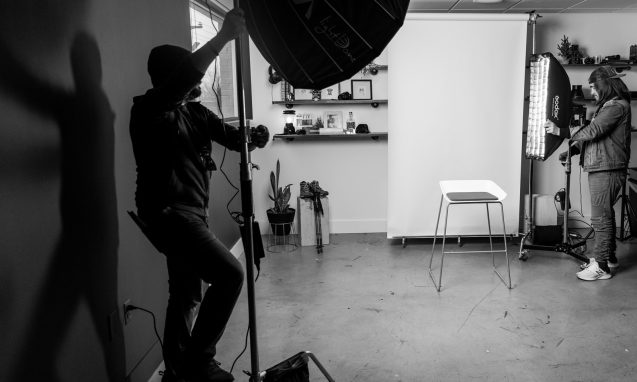
Many businesses allocate a significant portion of their annual marketing budget to a single media shoot, only to walk away with less than they hoped. It’s more common than you’d think. The goal is usually to do it once and do it right. But one shoot rarely covers everything, and the pressure to “get it all” in a single day often leads to a stressful experience and results that fall short.
Here’s what we’ve learned: getting better content isn’t about spending more. It’s about being intentional and strategic with your planning and spending.
What Are Your Creative Goals for the Year?
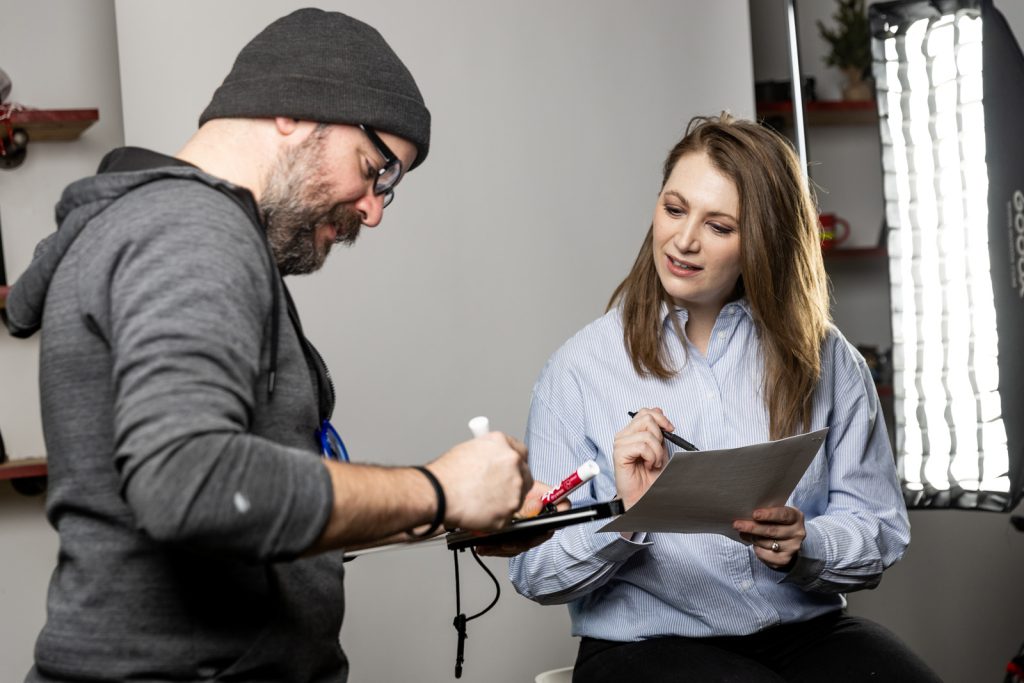
Before you book a shoot or hire a creative team, take a step back and have the conversation that’s often skipped. What are you trying to accomplish with your creative budget this year?
- Are you refreshing your website?
- Are you building a library of social media content?
- Are you showcasing completed projects?
- Are you introducing your team or a process?
Without clear goals, it’s easy to overspend on content that looks great but doesn’t serve a purpose. Aligning leadership, marketing and operations teams on priorities before you spend anything ensures your budget goes toward content you’ll actually use.
Have this conversation annually. Creative needs shift as your business grows, and a quick reset at the start of the year prevents costly guesswork later.
What Creative Assets Do You Already Have?
Before creating anything new, take stock of what exists.
You may already have photos from past projects, unused video clips, team headshots, existing brand elements like icons or illustrations, and existing copy and messaging. The issue might not be a shortage of content but a lack of organization.
A quick audit will help you identify real gaps, avoid duplicate work and make smarter decisions about what needs to be produced.
Rethink the “One Big Shoot” Approach
Putting your entire annual creative budget into a single shoot sounds efficient, but it rarely is.
When everything depends on one day, the pressure to capture too much leads to rushed decisions, missed shots and a stressful event for everyone involved. And from our experience, one big shoot, no matter how well-executed, simply won’t cover a full year of marketing needs.
A better approach is to schedule smaller, more consistent shoots throughout the year. Document projects as they’re completed. Build your content library over time. This can cost the same (or less) and gives you more variety, more current content and far less pressure on shoot day.
This also allows you to be more strategic about how you allocate your budget. Not every project deserves the same level of investment. Consider a tiered approach:
- High-priority projects: Full professional documentation
- Solid but standard projects: Self-documented with guidance
This distinction can significantly stretch your budget.
One more mindset shift worth making: treat each shoot as one of many, not the only one. When you stop trying to capture everything at once, you make better decisions about what actually matters on shoot day.
Document Consistently, Even When It Feels Small
Not every project needs a full production team, but that doesn’t mean it shouldn’t be documented. One of the most practical ways to extend your budget is to create an internal system for consistently capturing content. Simple, thorough documentation of completed projects adds up faster than most people expect. These photos might not feel significant now, but in a few years, they could be the foundation of a case study, an anniversary video or a recruiting campaign.
If you’re documenting your own projects, two things are very important: file size and composition. The most common issue we see with self-captured content is that images are too small or shot too close, which makes them blurry or unusable when scaled for a website or social feed.
Before you start shooting, check with your web team about the best aspect ratios and dimensions for site photos. It takes five minutes and can save a lot of frustration.
And if you’re not sure whether your content is good enough, compare it to other brands or businesses you admire. Your website and social media exist for your customers, not for you. What resonates with you and what resonates with them can be two very different things.
Plan for Multi-Purpose Content
One of the most overlooked ways to stretch a creative budget is planning for multi-purpose content.
Before a shoot, ask yourself where this content could live, not just where it’s going first. A photo taken for your website can also be featured in a newsletter, on social media or in a case study. A video clip produced for your homepage can be repurposed as an Instagram reel, a LinkedIn post or an email campaign.
The more uses you can plan for a single asset, the more value you get from every shoot.
How to Choose the Right Creative Team for a Photo or Video shoot?
Hiring a photography or videography team has a bigger impact on your results than most people expect. It’s not just about the final product — it’s about how the entire process is handled. A few things to keep in mind:
Get recommendations from people who have worked with them.
A portfolio is a starting point. A referral from a satisfied client is worth even more.
Hire within the right specialty.
Ensure that the photographer you choose has experience and a portfolio that demonstrates their work shooting the subject matter that you’d like to capture. For example, use a food photographer for a food shoot or one with portrait experience for headshots. On the contrary, a commercial architecture photographer may not be the best choice to shoot a company event.
Factor in experience, not just price.
A cheap shoot that produces unusable content isn’t a deal; it’s a double expense. A well-run shoot with the right team saves time, reduces stress and gets you content you’ll actually want to use.
How Can a Producer Help on a Photo or Video Shoot?
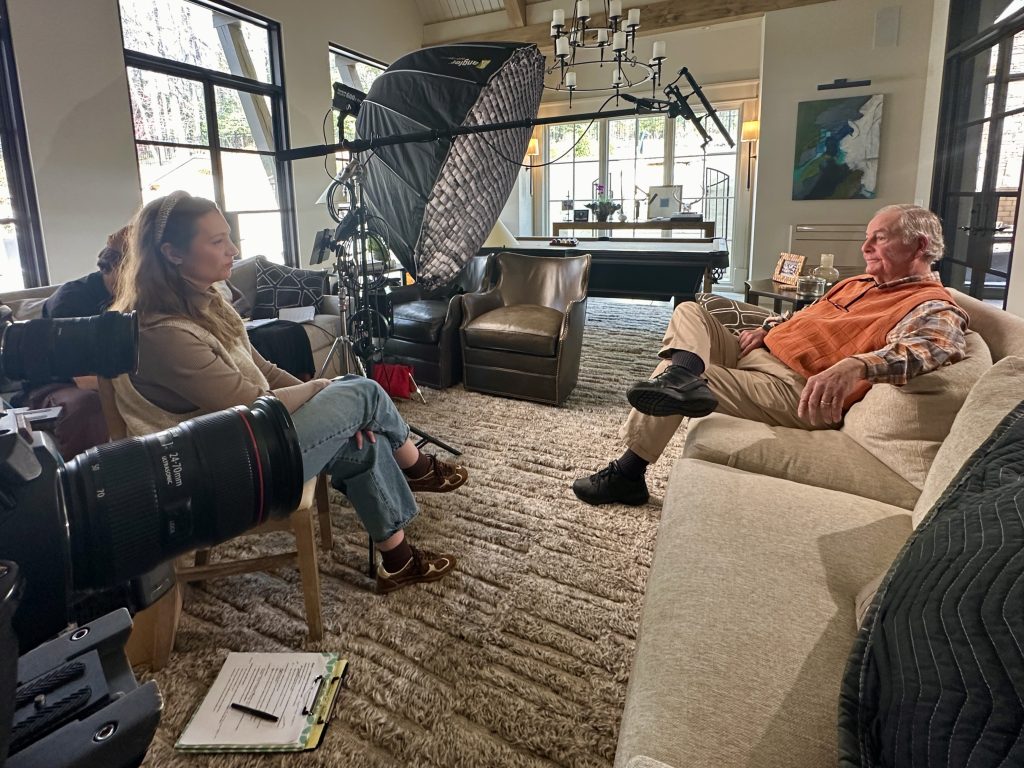
If you’ve ever finished a shoot realizing you missed something important, you should consider having a producer on set.
A producer’s job isn’t to take photos or shoot video. It’s to make sure everything else goes right. That means up-front planning, a detailed shot list, coordinating locations and people, preparing the set and managing expectations throughout the day.
When a producer is on set, the photographer or videographer can focus entirely on capturing great images, not logistics. The result is a smoother day, fewer gaps in your content and a much lower chance of a costly reshoot. Without this planning, shoots tend to devolve into “run and gun” — capturing whatever happens to be in front of the camera. In our experience, that approach almost always leaves clients wishing they’d gotten a few more shots. A producer also ensures you’re thinking beyond shoot day — capturing variations and angles that can be repurposed across your website, social media and newsletter, so one session goes further than you’d expect.
Short-Form Video: A Smart Entry Point
If you’ve been thinking about adding video to your website but aren’t sure where to start, you don’t need a full production to make an impact.
A homepage video loop is one of the highest-value entry points into video and is more accessible than most people expect. With just five short clips, you can create a polished, motion-forward asset built specifically for web use.

Short-form video clips won’t impact your site’s performance because modern compression allows them to load quickly without slowing your page. They’re also more engaging than static images, keeping users on the page longer and giving them a stronger sense of what you do and who you are.
Video footage is also one of the most versatile assets you can produce. Still frames pulled from footage can supplement your photo library, and short clips can be trimmed for social media, dropped into a newsletter or repurposed across campaigns. A single homepage loop shoot can become the foundation for months of content across multiple channels.
You Don’t Need a Bigger Budget. You Need a Better Plan.
Building a strong content library means making a consistent, intentional effort over time. When you align on your goals, document regularly, tier your investments and work with the right team, you end up with creative assets that work for various purposes long after the shoot day is over.
Ready to be more strategic about how you use your creative budget for photo and video? Our team can help get you started.
Contact Grayson or Urvi